
Meditation Techniques Inspired by Fungi's Power
- Moonshine Belafonte
- Oct 14, 2025
- 5 min read

Updated: Oct 15, 2025
In a world that often feels chaotic and overwhelming, many people are seeking ways to find peace and clarity. One of the most effective methods is meditation. But what if we could draw inspiration from nature, specifically from fungi, to enhance our meditation practices? Fungi are remarkable organisms that thrive in diverse environments, and they can teach us valuable lessons about mindfulness, connection, and resilience. In this post, we will explore various meditation techniques inspired by the power of fungi, helping you cultivate a deeper sense of awareness and tranquility.
The Wisdom of Fungi
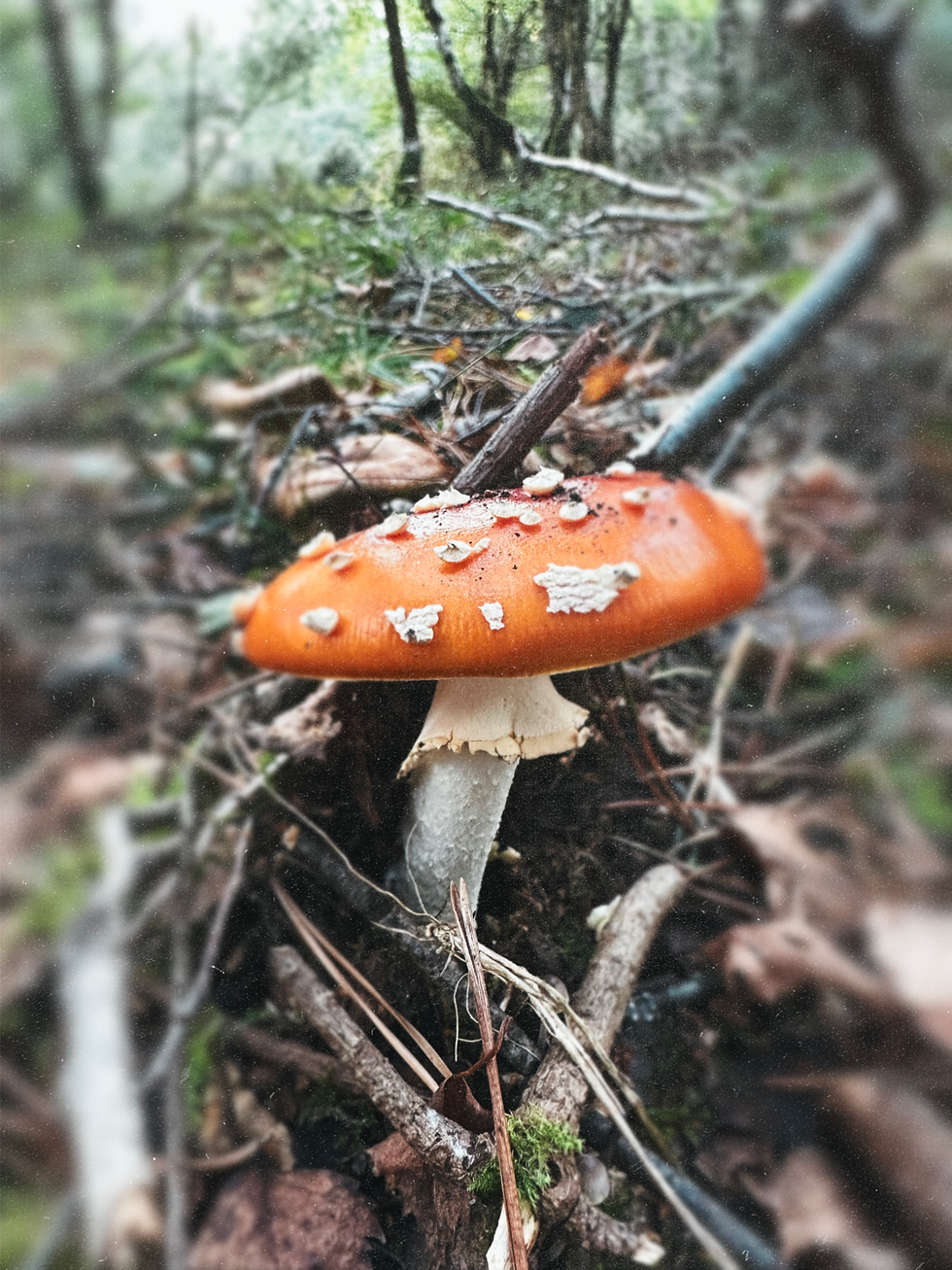
Fungi are not just the mushrooms we see in the forest. They are complex organisms that play crucial roles in our ecosystems. They decompose organic matter, create symbiotic relationships with plants, and even communicate with each other through an underground network known as mycelium. This intricate web of life can serve as a powerful metaphor for our own interconnectedness.
When we meditate, we can draw parallels between our inner experiences and the life of fungi. Just as fungi thrive in diverse environments, we can learn to adapt our meditation practices to suit our unique needs and circumstances.
Grounding Meditation: Rooting Like Mycelium
One of the simplest yet most effective meditation techniques is grounding meditation. This practice helps you connect with the earth, much like how mycelium connects with the soil.
How to Practice Grounding Meditation
Find a Comfortable Position: Sit or lie down in a quiet space. Close your eyes and take a few deep breaths.
Visualize Roots: Imagine roots growing from your body into the ground. Picture them spreading out like mycelium, anchoring you firmly to the earth.
Focus on Sensations: Pay attention to the sensations in your body. Feel the weight of your body pressing down and the support of the ground beneath you.
Breathe Deeply: Inhale deeply, imagining that you are drawing energy from the earth. Exhale slowly, releasing any tension or stress.
Stay Present: Continue this practice for 5 to 10 minutes, allowing yourself to feel grounded and connected.
Grounding meditation can help you feel more centered and balanced, just as fungi stabilize the ecosystems they inhabit.
Mindful Observation: Learning from Nature
Fungi teach us the importance of observation. They grow slowly and adapt to their surroundings. Mindful observation is a meditation technique that encourages you to take a step back and observe your thoughts and feelings without judgment.
How to Practice Mindful Observation
Choose a Focus Point: Find a natural object, such as a leaf or a stone. Alternatively, you can focus on your breath.
Observe Without Judgment: Spend a few minutes simply observing the object. Notice its colors, textures, and shapes. If you are focusing on your breath, pay attention to the rhythm and sensations of inhaling and exhaling.
Acknowledge Thoughts: As thoughts arise, acknowledge them without getting caught up in them. Imagine they are like clouds passing in the sky.
Return to Focus: Gently bring your attention back to your chosen focus point whenever you find your mind wandering.
This practice can help you cultivate a sense of presence and awareness, much like how fungi thrive in their environments by adapting and responding to changes.
Connection Meditation: Embracing Interconnectedness
Fungi are known for their ability to connect with other organisms. They form symbiotic relationships with plants, helping them absorb nutrients. Connection meditation is a technique that encourages you to recognize your interconnectedness with others and the world around you.
How to Practice Connection Meditation
Find a Quiet Space: Sit comfortably in a quiet place. Close your eyes and take a few deep breaths.
Visualize Connections: Imagine a web of light connecting you to everyone and everything around you. Picture this web extending to your loved ones, friends, and even strangers.
Feel the Energy: As you visualize these connections, feel the energy flowing through the web. Acknowledge the support and love that surrounds you.
Express Gratitude: Take a moment to express gratitude for the connections in your life. You can do this silently or by saying a few words of thanks.
Stay in the Moment: Continue this practice for 5 to 10 minutes, allowing yourself to feel the warmth of connection.
Connection meditation can help you foster a sense of belonging and community, just as fungi create networks that support the health of their ecosystems.
Resilience Meditation: Embracing Change
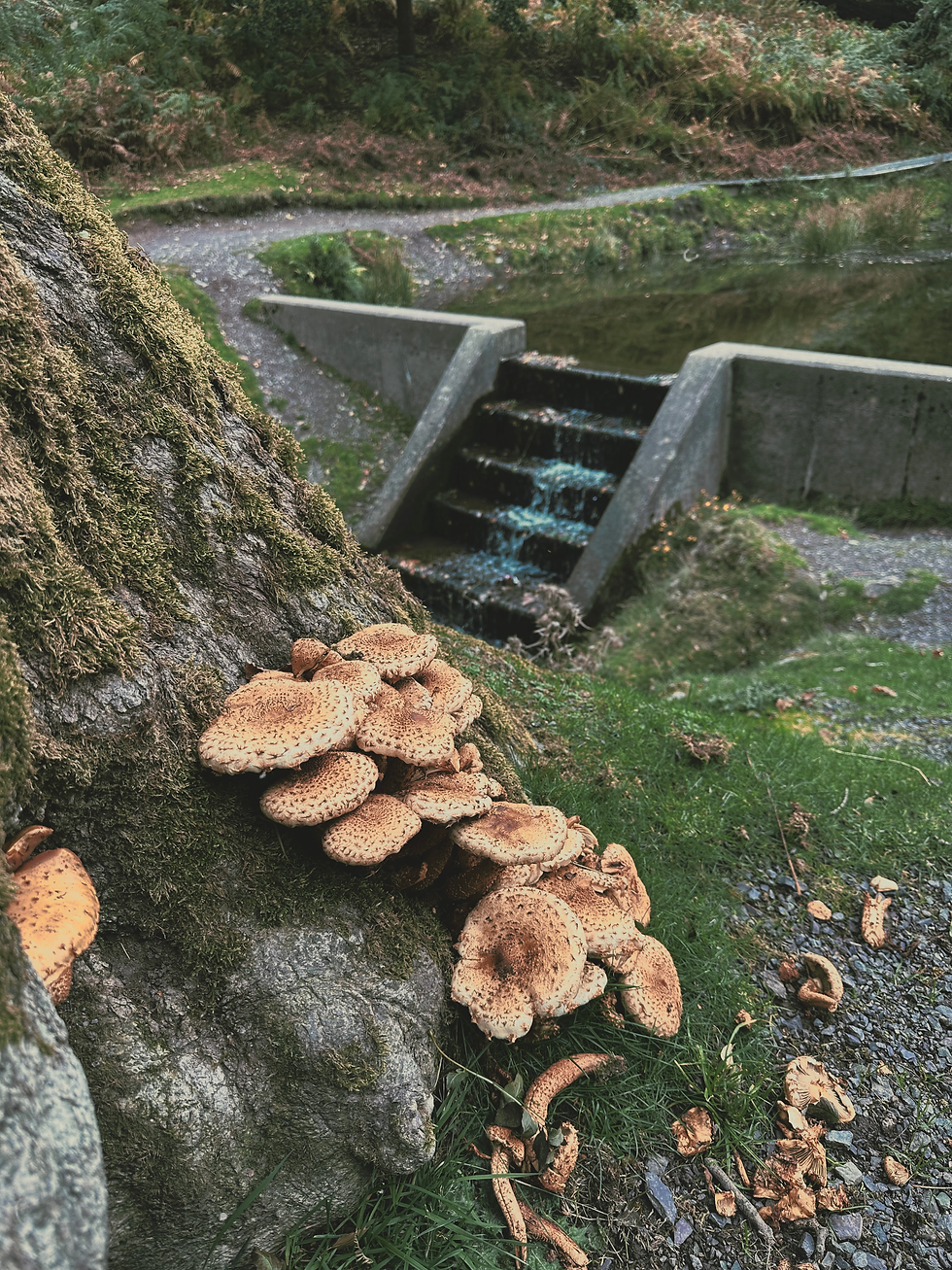
Fungi are incredibly resilient organisms. They can thrive in harsh conditions and adapt to changes in their environment. Resilience meditation is a technique that encourages you to embrace change and cultivate inner strength.
How to Practice Resilience Meditation
Sit Comfortably: Find a comfortable seated position. Close your eyes and take a few deep breaths.
Reflect on Change: Think about a change or challenge you are currently facing. Acknowledge any feelings of discomfort or resistance.
Visualize Growth: Imagine yourself as a resilient fungus, adapting and growing despite the challenges. Picture yourself thriving in the face of adversity.
Affirm Your Strength: Repeat a positive affirmation to yourself, such as "I am strong and adaptable" or "I embrace change with grace."
Breathe Through It: Continue this practice for 5 to 10 minutes, focusing on your breath and the feelings of resilience.
Resilience meditation can help you build inner strength and adaptability, much like how fungi thrive in diverse environments.
Nature Immersion: A Fungal Retreat
One of the best ways to connect with the power of fungi is to immerse yourself in nature. Spending time in natural settings can enhance your meditation practice and deepen your connection to the world around you.
How to Create a Fungal Retreat
Choose a Natural Location: Find a nearby park, forest, or garden where you can spend time in nature.
Disconnect from Technology: Leave your phone and other devices behind to fully immerse yourself in the experience.
Engage Your Senses: Take a moment to observe your surroundings. Notice the colors, sounds, and scents of nature.
Practice Outdoor Meditation: Find a quiet spot to sit or lie down. Use the grounding, mindful observation, connection, or resilience techniques discussed earlier.
Reflect on Your Experience: After your time in nature, take a few moments to reflect on how you feel. Consider journaling about your experience to capture your thoughts and insights.
Nature immersion can help you feel more connected to the earth and the lessons that fungi have to offer.
The Power of Community: Group Meditation
Fungi thrive in communities, and so can we. Group meditation can enhance your practice by fostering a sense of connection and support.
How to Organize a Group Meditation
Gather a Group: Invite friends, family, or colleagues to join you for a meditation session.
Choose a Location: Find a quiet space where everyone can sit comfortably. This could be indoors or outdoors.
Select a Meditation Technique: Decide on a meditation technique to practice together, such as grounding or connection meditation.
Set an Intention: Before starting, take a moment to set a collective intention for the session. This could be something like "We are here to support each other" or "We seek peace and clarity."
Share Experiences: After the meditation, take time to share your experiences and insights. This can deepen your connection and foster a sense of community.
Group meditation can amplify the benefits of your practice, just as fungi thrive in supportive networks.

Embracing the Fungal Spirit
As we explore meditation techniques inspired by fungi, we discover the profound wisdom that nature has to offer. Fungi teach us about grounding, observation, connection, resilience, and community. By incorporating these lessons into our meditation practices, we can cultivate a deeper sense of awareness and tranquility.
Whether you choose to practice grounding meditation, mindful observation, connection meditation, resilience meditation, or immerse yourself in nature, remember that the power of fungi is always within reach.
Let the spirit of fungi guide you on your journey toward mindfulness and inner peace. Embrace the lessons of nature, and watch as your meditation practice flourishes.
As you continue to explore these techniques, may you find inspiration in the resilience and interconnectedness of fungi. Happy meditating!



Comments